PA Auto Insurance Laws Explained in Under 3 Minutes
- Jeff Owens
- Feb 7
- 5 min read

Let me guess, you're sitting in your car right now, staring at your insurance card, wondering if you actually understand what you're legally required to have in Pennsylvania. Or maybe you just moved here and realized every state has its own quirky rules.
I get it. PA auto insurance laws can feel like they're written in a different language.
Here's the good news: I'm breaking down everything you need to know in under three minutes. No legal jargon. No confusion. Just the essential stuff that keeps you legal, protected, and out of trouble on Pennsylvania roads.
What Pennsylvania Actually Requires (The Bare Minimum)
Pennsylvania doesn't mess around when it comes to minimum coverage. If you're driving here, you need what's called 15/30/5 liability coverage.
Here's what those numbers mean in real life:
$15,000 per person for bodily injury if you cause an accident
$30,000 per accident total for bodily injury liability
$5,000 per accident for property damage you cause
You also need $5,000 in medical benefits coverage (also called PIP or personal injury protection). This covers your medical bills, lost wages, and other expenses if you're injured in an accident, regardless of who caused it.
That's it. That's what keeps you legal in Pennsylvania.
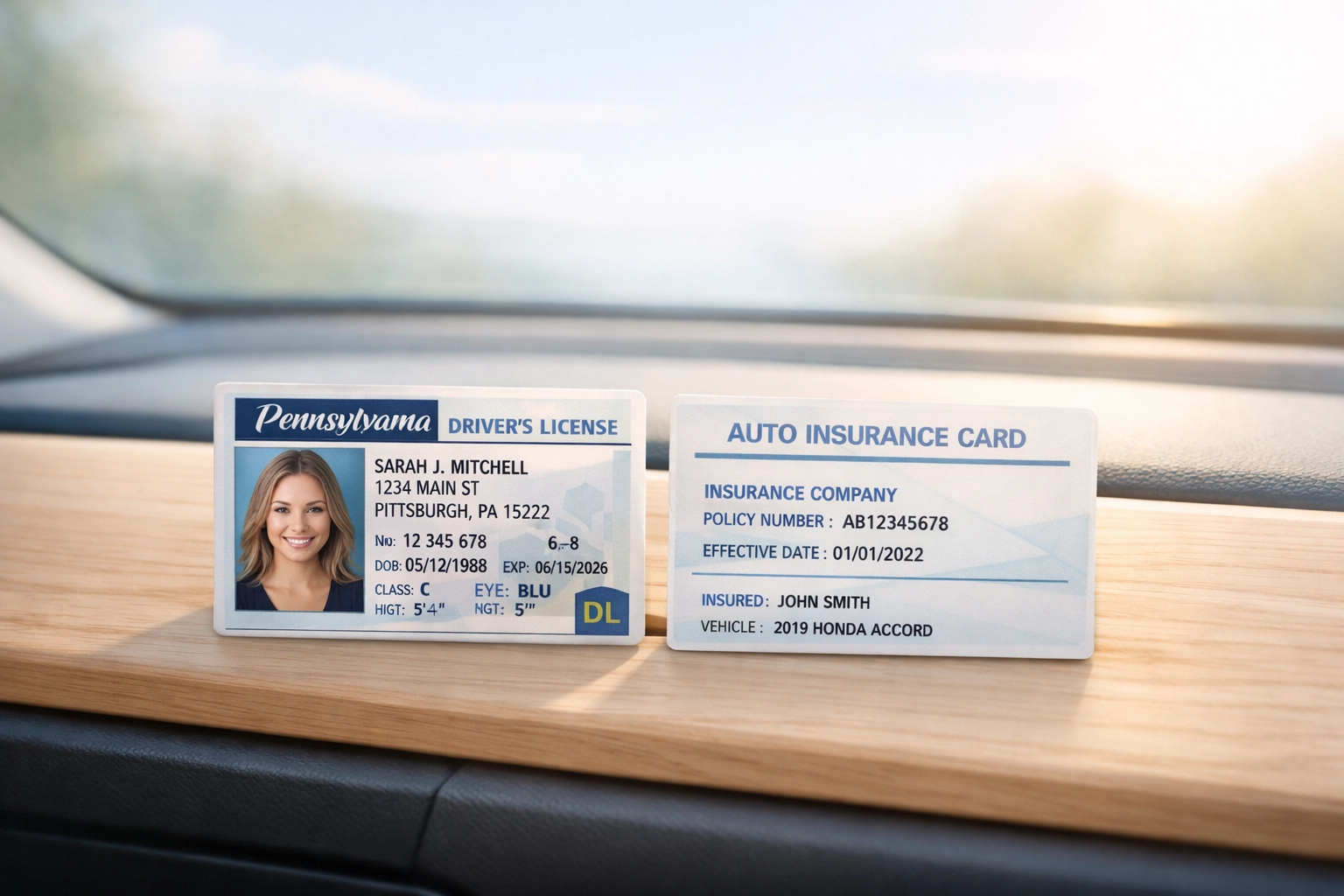
But before you rush out to grab the cheapest policy that meets these minimums, let me tell you why understanding the rest of PA's system matters.
Pennsylvania Is a No-Fault State (Wait, What Does That Mean?)
Here's where Pennsylvania gets interesting.
We're a no-fault state, which means your own insurance pays for your injuries after an accident, no matter who caused it. You're not filing claims against the other driver's insurance for your medical bills, you're using your own PIP coverage.
This system is designed to speed things up and reduce lawsuits. Instead of waiting months to figure out who's at fault, you get your medical expenses covered right away.
But there's a catch (isn't there always?).
The Full-Tort vs. Limited-Tort Decision You Can't Ignore
When you buy car insurance in Pennsylvania, you have to choose between two options: full-tort or limited-tort. This choice determines whether you can sue for pain and suffering after an accident.
Limited-tort is cheaper, but it limits your ability to sue for non-economic damages like pain and suffering, unless your injuries are "serious" according to Pennsylvania law. Most people choose this to save money on premiums.
Full-tort costs more, but it preserves your right to sue for all damages, including pain and suffering, regardless of injury severity.
I always recommend thinking carefully about this choice. If you want to save money now, limited-tort makes sense. But if you want maximum legal protection after an accident, full-tort is worth the extra cost.

Something New: The 2026 Accident Surcharge Change
Here's a change you might not have heard about yet.
Starting July 1, 2026, Pennsylvania is raising the accident surcharge threshold from $2,250 to $2,350. What does that mean for you?
If your aggregate claim costs over three years stay at or below $2,350, your insurance company cannot raise your rates, add surcharges, or cancel your policy because of those claims.
It's a small increase, but it gives you a little more breathing room if you have a minor fender-bender or two. Insurance companies have to file their rate changes by April 1, 2026, so you might see some policy adjustments before that deadline.
What Happens If You Skip Coverage? (Spoiler: It's Bad)
Let's be real for a second.
Driving without insurance in Pennsylvania is not worth the risk. If you're caught, here's what you're looking at:
$300 fine minimum
License suspension
Registration suspension
Even higher fines and penalties if you're caught again
And that's just the legal trouble. If you cause an accident without insurance, you're personally liable for all the damages. We're talking medical bills, car repairs, legal fees, everything comes out of your pocket.
One accident could financially ruin you. It's just not worth saving a few bucks on premiums.

Optional Coverage That's Actually Worth Considering
The state minimums keep you legal, but they don't keep you fully protected.
Here are the optional coverages I recommend you seriously consider:
Comprehensive coverage protects your car from non-accident damage like theft, vandalism, hail, or hitting a deer (hello, Pennsylvania backroads).
Collision coverage pays to repair your car after an accident, regardless of who's at fault. If your car is financed or leased, your lender probably requires this.
Uninsured/underinsured motorist coverage is huge. If you're hit by someone with no insurance or not enough insurance, this coverage protects you. Given how many uninsured drivers are out there, this is not the place to cut corners.
Gap insurance covers the difference between what you owe on your car and what it's actually worth if it's totaled. If you have a newer car with a loan, this could save you thousands.
These add-ons aren't required by Pennsylvania law, but they fill the gaps that minimum coverage leaves wide open.
How IronClad Coverage Agency Makes This Easy
Look, I know insurance shopping is about as fun as a root canal.
That's why at IronClad Coverage Agency, we do the heavy lifting for you. Instead of spending hours calling different companies or filling out a dozen online forms, we compare policies from multiple top-rated carriers to find you the best coverage at the best price.
We're an independent agency, which means we work for you, not the insurance companies. We'll explain your full-tort and limited-tort options, help you understand exactly what you're buying, and make sure you're not overpaying for coverage you don't need.
Pennsylvania's insurance laws can be confusing, but choosing the right coverage doesn't have to be.
The Bottom Line: Three Minutes Well Spent
Here's your quick recap of PA auto insurance laws:
You need 15/30/5 liability plus $5,000 in medical benefits. Pennsylvania is a no-fault state, so your insurance pays your medical bills after an accident. You must choose between full-tort and limited-tort coverage. The accident surcharge threshold is increasing in 2026. Driving without insurance means fines, suspensions, and financial disaster.
The state minimums keep you legal, but they might not keep you adequately protected. Consider adding comprehensive, collision, and uninsured motorist coverage for real peace of mind.
And remember: understanding these laws is step one. Step two is finding coverage that actually fits your life, your budget, and your needs. That's where we come in.
Want to explore your options and see what Pennsylvania car insurance really costs with proper coverage? Reach out to us and let's find you a policy that checks all the boxes.
Stay safe out there, Pennsylvania drivers. Your future self will thank you for taking these three minutes to get it right.


Comments