Are You Overpaying for PA Car Insurance? Here's What Top-Rated Carriers Don't Want You to Know
- Jeff Owens
- Feb 11
- 6 min read

I'll be straight with you: most Pennsylvania drivers are paying way too much for car insurance.
And the worst part? They have no idea.
I've spent years helping folks across the Keystone State navigate the confusing world of car insurance quotes Pennsylvania offers, and I've seen it time and again. People stay loyal to the same carrier for years: sometimes decades: while that company quietly raises their rates. Meanwhile, competitors are offering the exact same coverage for hundreds (sometimes thousands) less annually.
Let me share what I've learned about Pennsylvania auto insurance requirements and how you can stop leaving money on the table.
The Price Gap That Insurance Companies Hope You'll Ignore
Here's something that still blows my mind every time I run the numbers.
In Pennsylvania, the difference between the cheapest and most expensive carriers for identical coverage can be over $200 per month. That's not a typo. I've researched the current rates, and Liberty Mutual is offering full coverage at an average of $120 monthly: a whopping 52% below Pennsylvania's $248 monthly average. On the flip side, Gainsco charges around $323 per month, which is 30% more than what most Pennsylvanians pay.
Do the math. That's potentially $2,436 in savings annually just by switching carriers.
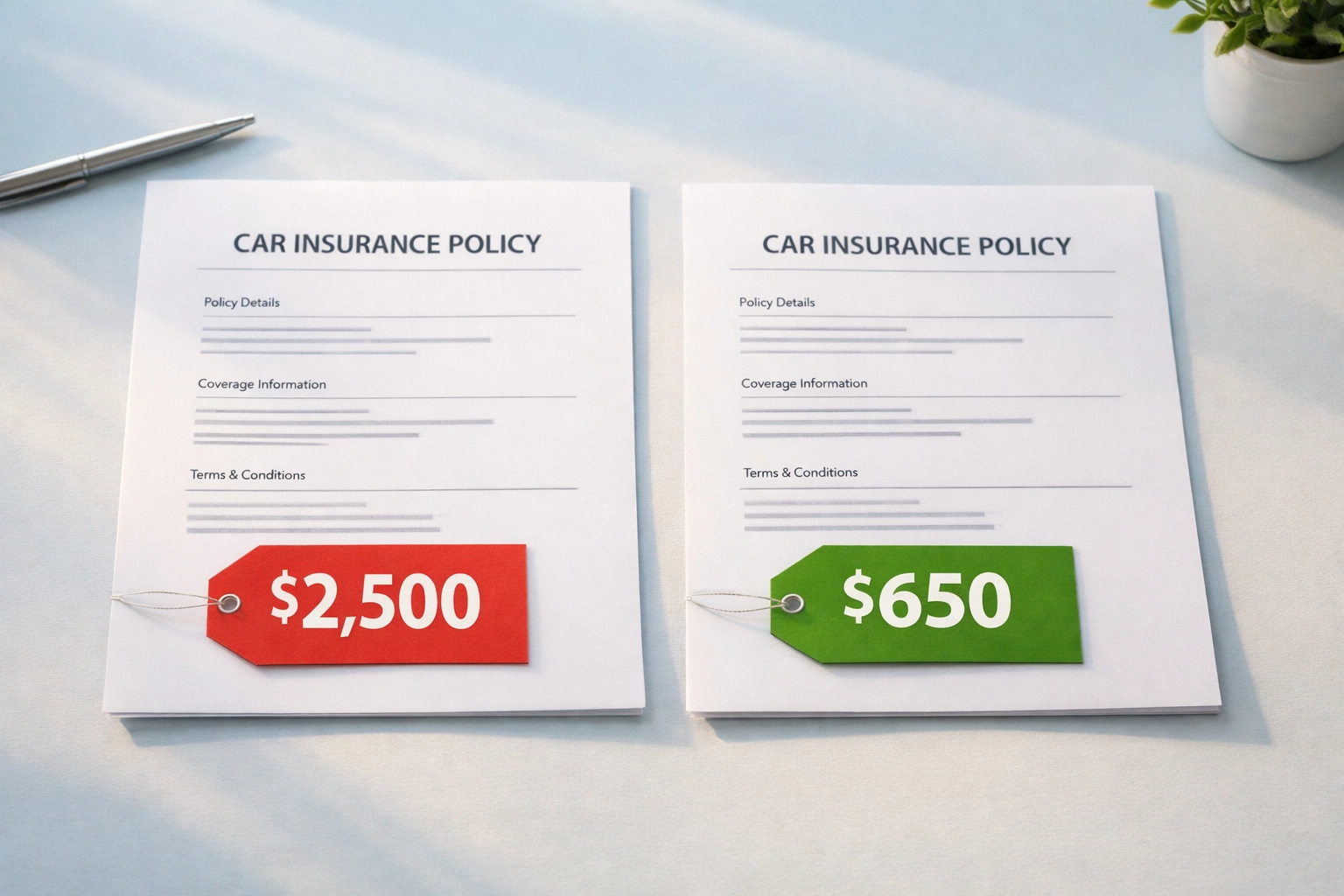
For minimum coverage requirements, the gap is just as shocking. Liberty Mutual comes in at about $63 monthly, while Progressive charges $137 monthly for the same basic protection. When you're meeting pa auto insurance laws mandating minimum liability coverage, why pay more than double?
Your Zip Code Is Costing You (Or Saving You) Big Time
I hope you're sitting down for this one, because where you live in Pennsylvania matters more than you might think.
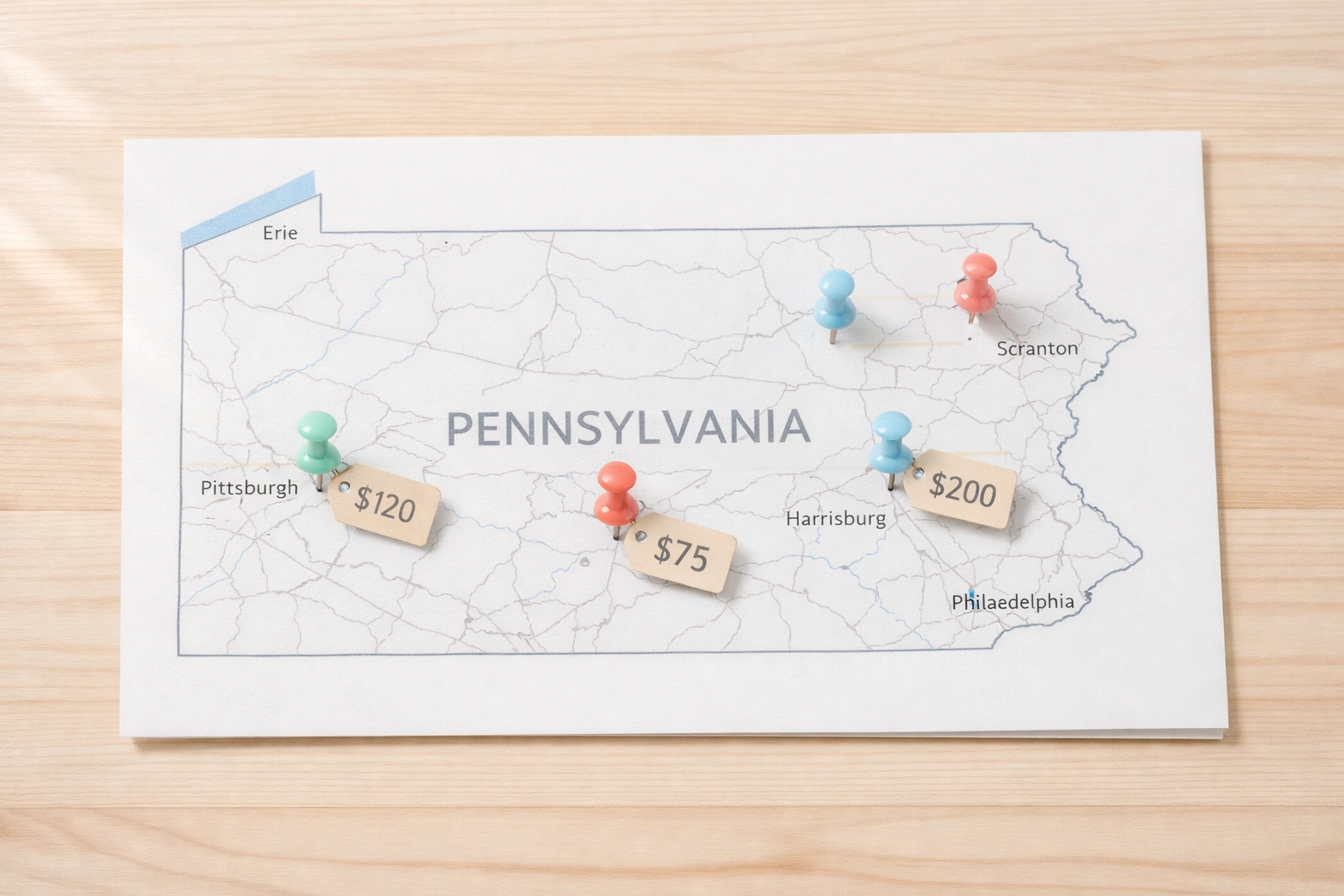
Philadelphia drivers shell out an average of $293 per month. Meanwhile, over in York, residents pay just $145 monthly. That's a difference of over $1,700 every year for the same coverage levels. Same state, same requirements, wildly different prices.
Here's what I've found for other Pennsylvania cities:
Erie: $176/month
Reading: $169/month
Harrisburg: $168/month
Pittsburgh: Usually runs higher than the state average
Allentown: Moderately priced compared to Philly
Your zip code affects your rate because insurance carriers analyze claim frequency, theft rates, and accident statistics for every area. Cities with more traffic congestion and higher crime typically see elevated premiums. It's not personal: it's purely statistical.
But here's what carriers won't tell you: different companies weigh these location factors differently. One carrier might charge you a fortune in Philadelphia, while another views that same zip code more favorably. This is exactly why comparing car insurance quotes Pennsylvania companies offer is absolutely essential.
The Hidden Factors Inflating Your Premium
I want to share the rate factors that insurance companies use to determine what you pay: because knowledge is power when it's time to negotiate or shop around.
Age plays a massive role. An 18-year-old driver in Pennsylvania averages $548 monthly ($6,581 annually), while a 40-year-old pays around $206 monthly ($2,472 annually). If you've got teen drivers on your policy, you already know this pain. But here's a tip: many carriers offer good student discounts and defensive driving course credits that can soften the blow.
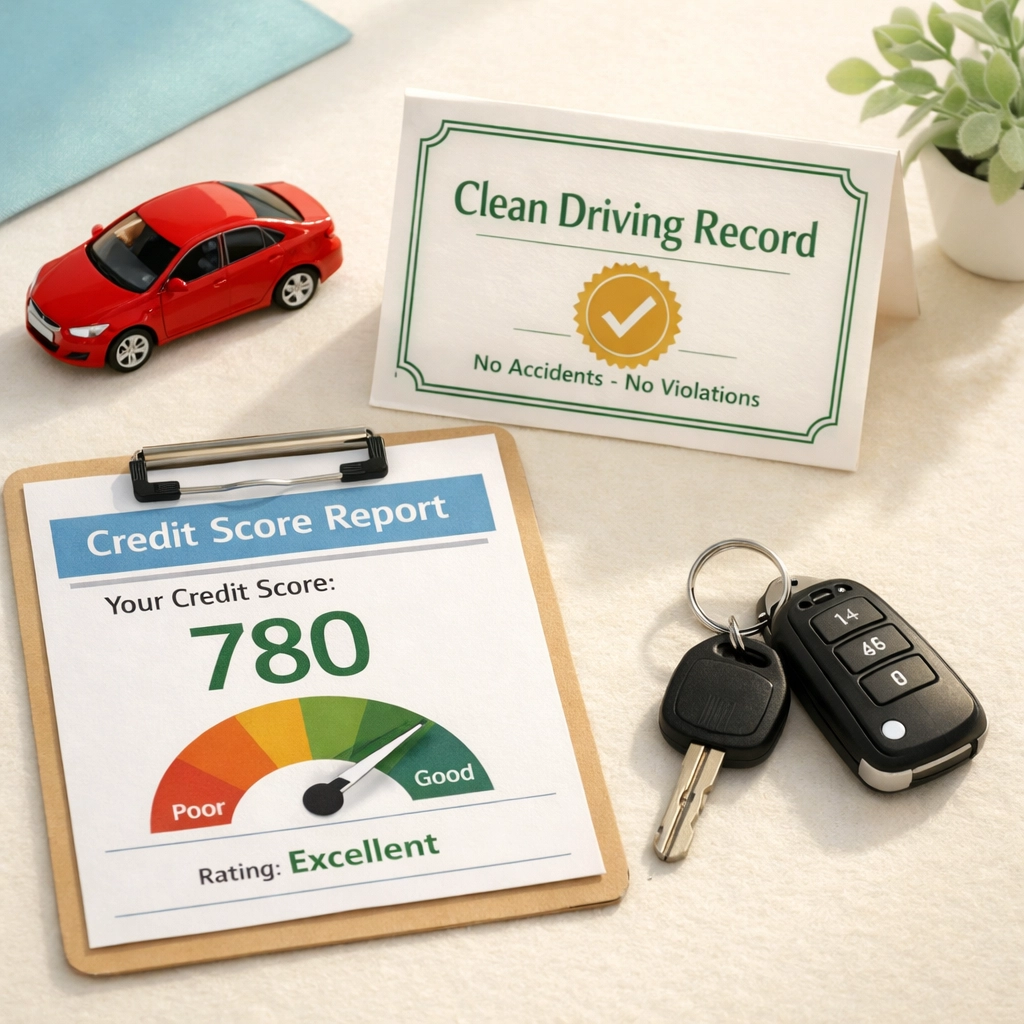
Your driving record follows you everywhere. A DUI on your record increases rates by 103%. Even a simple speeding ticket bumps you up by 16%. I've seen too many drivers get blindsided by these hikes because they didn't realize their carrier was watching.
Credit score matters more than most people realize. Poor credit can increase your Pennsylvania car insurance rates by 95%, while excellent credit saves you about 19%. It seems unfair, I know, but insurance companies have found statistical correlations between credit management and claim likelihood. The good news? You can work on improving your credit while simultaneously shopping for carriers who weigh this factor less heavily.
Your vehicle type affects your bottom line. Luxury vehicles like Range Rovers average $3,105 annually in Pennsylvania, compared to standard sedans at $2,395. Before you buy that dream car, factor in the insurance costs.
What Being "Top-Rated" Actually Means (And What It Doesn't)
Here's something carriers really don't want you to know: "top-rated" is marketing language that doesn't guarantee you the best price.
A company can have excellent customer service ratings and strong financial stability while simultaneously charging you 40% more than a competitor with equally solid credentials. I've seen it countless times. People assume they're getting the best deal because they're with a well-known, highly-rated company, but they've never actually compared quotes.
Financial strength matters: you want a carrier that'll actually pay claims. But you can find multiple financially stable, well-reviewed carriers offering dramatically different prices for identical pennsylvania auto insurance requirements.
This is where working with an independent agency like IronClad Coverage makes all the difference. I don't work for one carrier trying to sell you their product regardless of fit. I compare top-rated carriers side-by-side so you can see exactly what you're getting and what it costs.
Pennsylvania's Unique Insurance Landscape
Let me break down what pa auto insurance laws actually require, because understanding this helps you avoid paying for coverage you don't legally need (though you might want it anyway).
Pennsylvania operates under a choice no-fault system, which is honestly pretty unique. You can choose between:
Full Tort: Allows you to sue for pain and suffering after an accident Limited Tort: Restricts your ability to sue (but costs less)
Most carriers won't explain this distinction clearly because they prefer you choose the more expensive option by default. You need to understand what you're selecting and why.
The state minimum requirements include:
$15,000 bodily injury per person
$30,000 bodily injury per accident
$5,000 property damage
But here's my honest advice: these minimums are dangerously low. One serious accident can blow through those limits in minutes, leaving you personally liable for the rest. I typically recommend higher limits, but that's a conversation based on your specific assets and risk tolerance.
How Independent Agencies Change the Game
I genuinely want to help you understand why the independent agency model saves people money.
When you call a State Farm agent, you get State Farm quotes. Call an Allstate agent, you get Allstate options. Nothing wrong with that, but you're seeing one tiny slice of the market.
When you work with an independent agency, we shop your profile across multiple top-rated carriers simultaneously. We're comparing apples to apples: same coverage levels, same deductibles, different prices. Then we present you with real options.
This approach is especially valuable in Pennsylvania's diverse insurance market, where carriers evaluate risk differently based on location, vehicle type, and driver history.
Your Action Plan to Stop Overpaying
Here's what I recommend you do this week:
Get fresh quotes every 12 months. Carrier pricing changes constantly. The best rate you found two years ago isn't necessarily the best rate today.
Bundle wisely, but verify the savings. Carriers love to advertise bundling discounts for combining auto and home insurance, but I've seen cases where bundling with one company costs more than splitting between two carriers. Do the actual math.
Ask about every available discount. Good student, multi-car, defensive driving, low mileage, paid-in-full, paperless billing: these add up fast, but you have to ask for them.
Review your coverage annually. That car you financed five years ago might be paid off now. Do you still need comprehensive and collision with low deductibles? Maybe, maybe not. Your situation changes, your coverage should too.
Compare actual coverage, not just prices. The cheapest quote means nothing if it leaves you underinsured. Look at liability limits, deductibles, and additional coverage options side by side.
Take Control of Your Insurance Costs
Pennsylvania's car insurance market is competitive, which works in your favor: but only if you actually shop around. The state average sits at $2,472 annually for full coverage and $539 for minimum coverage, but I've helped plenty of drivers land well below those averages with solid coverage from top-rated carriers.
Your insurance company is counting on inertia. They're betting you won't take the time to compare rates, won't ask about discounts, won't question whether you're getting the best value.
Prove them wrong.
Whether you reach out to us at IronClad Coverage or shop around on your own, just promise me you'll stop accepting whatever quote lands in your mailbox. You work too hard for your money to waste thousands on overpriced car insurance.
Safe driving, Pennsylvania!


Comments