Are You Overpaying for Car Insurance in Pennsylvania? 5 Quick Checks
- Jeff Owens
- Feb 10
- 5 min read

Let me be real with you, nobody wants to throw away money on car insurance. But here's the thing: I've seen way too many Pennsylvania drivers paying hundreds (sometimes thousands) more than they should for the exact same coverage.
If you're like most people, you probably set up your policy years ago and just let it auto-renew without a second thought. I get it. Life gets busy. But that autopilot mentality could be costing you serious cash.
The good news? I've put together five quick checks you can do right now to see if you're overpaying. No complicated math required. Let's dive in.
Check #1: Are You Paying More Than the Pennsylvania Average?
Here's your baseline: Pennsylvania drivers pay around $2,472 annually for full coverage and $539 for minimum coverage. Now, I want you to pull up your current policy (seriously, go grab it) and compare.
If your premium is way higher than these numbers and you don't have any major red flags on your record, something's off. I've researched tons of carriers across Pennsylvania, and rates can vary wildly, sometimes by $1,000 or more for the same exact coverage.
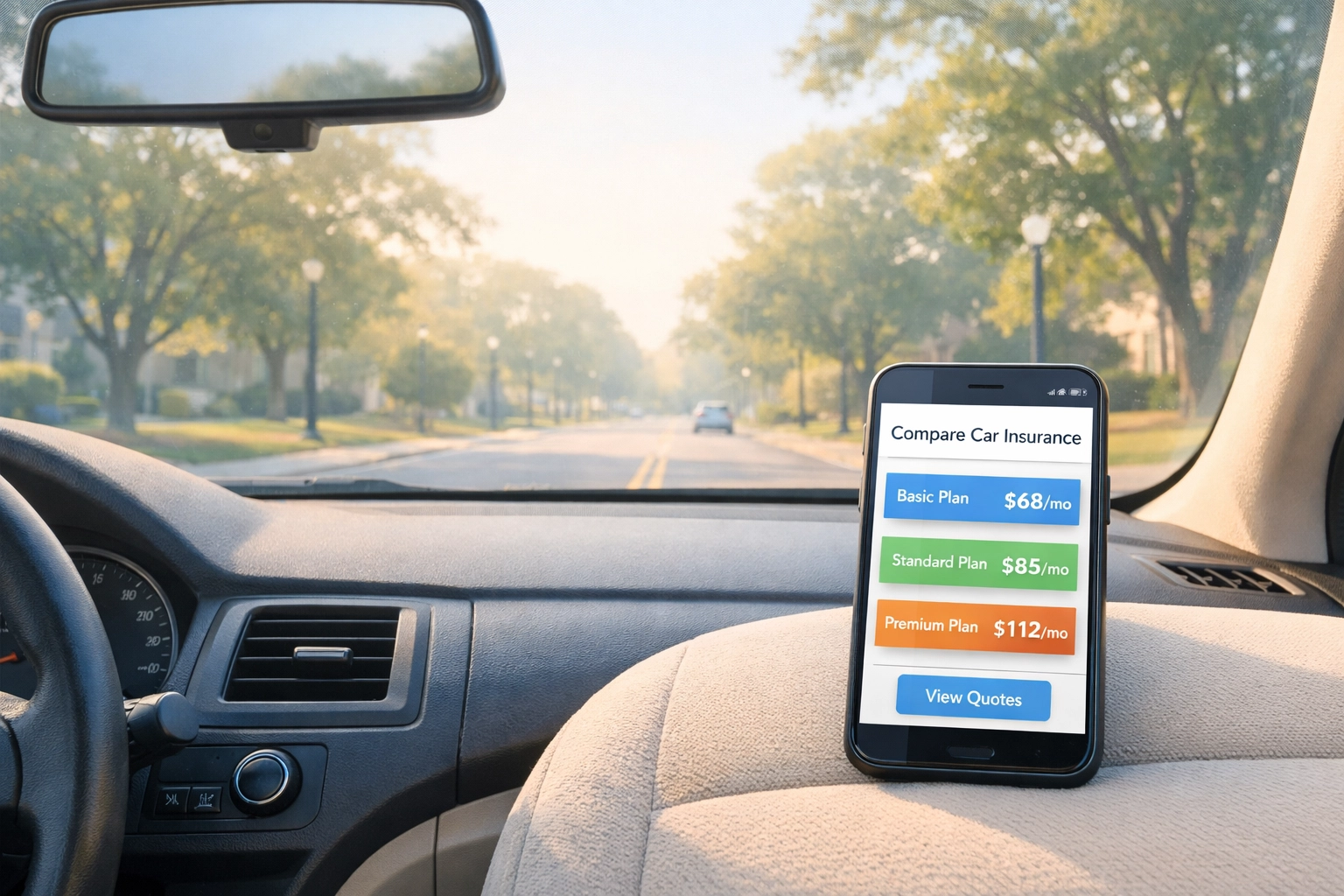
Here's what I recommend: get at least three quotes from different carriers. And I'm not talking about spending your entire Saturday calling around. As an independent agency, we can compare quotes from multiple top-rated carriers in one shot, which saves you time and usually finds better rates.
The thing about Pennsylvania's insurance market is that it's competitive. Really competitive. That means carriers are constantly adjusting their rates to stay competitive, and the company that gave you the best deal three years ago might not be your best option today.
Check #2: Is Your Credit Score Dragging You Down?
Okay, this one surprises people. Your credit score has a massive impact on your car insurance rates in Pennsylvania, and I mean massive.
Here's the reality: drivers with excellent credit pay around $157 monthly for full coverage, while those with poor credit pay $195 monthly. That's a difference of $456 per year just because of credit. Ouch.
If you've improved your credit score since you first got your policy, you might be sitting on some serious savings. Most people don't realize their insurance company isn't automatically adjusting their rate when their credit improves. You've got to ask.
I always tell people to check their credit report at least once a year anyway (you can do it for free at AnnualCreditReport.com). While you're at it, see if there are any easy wins, like paying down a high balance or disputing errors, that could bump your score up.
Then reach out to your insurance company or agent and ask them to re-rate you with your improved credit. Trust me, that phone call could save you hundreds.
Check #3: Is Your ZIP Code Killing Your Budget?
Location, location, location, it's not just for real estate. Where you live in Pennsylvania makes a huge difference in what you pay for car insurance.
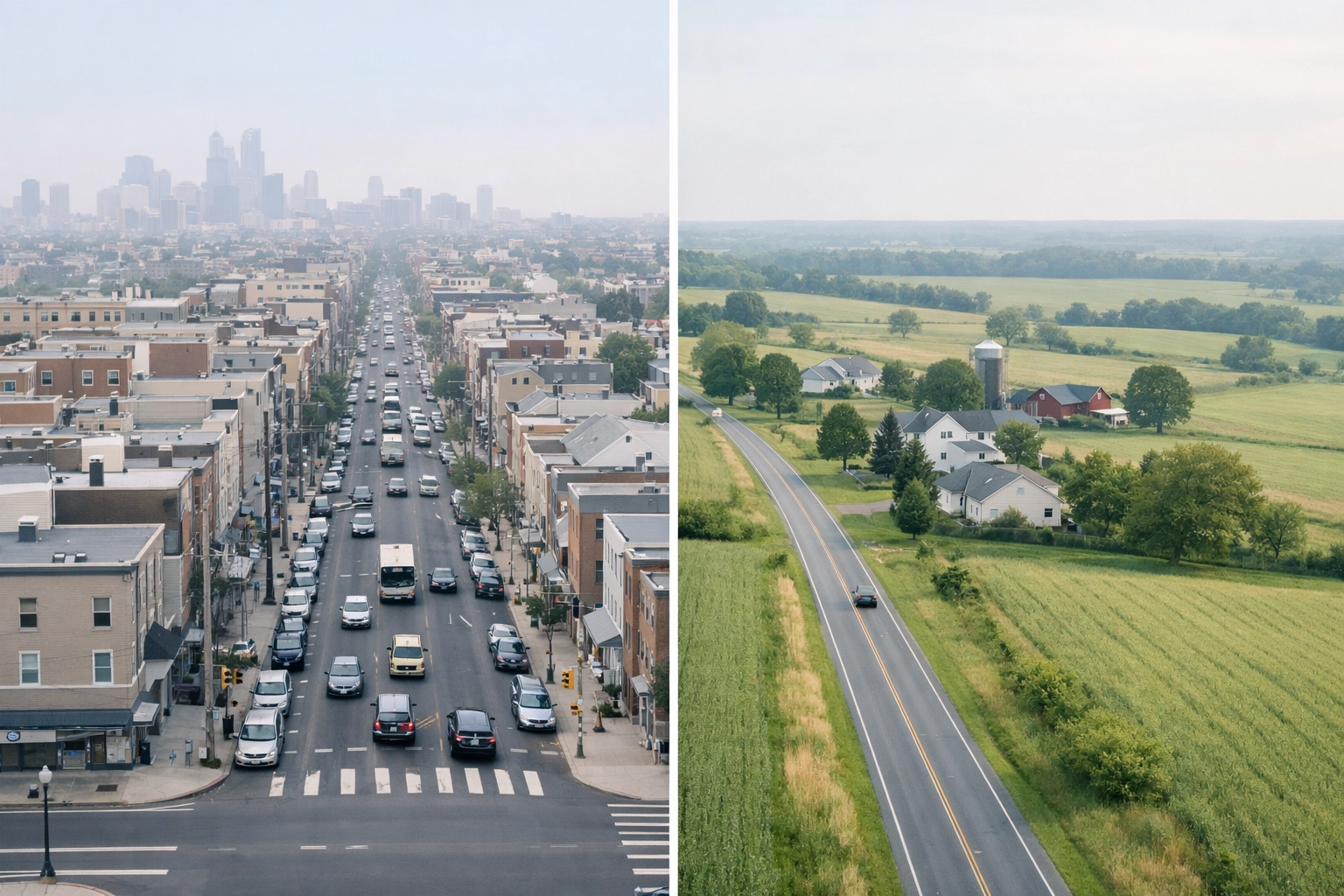
Philadelphia drivers, I've got some tough news: you're paying around $237 monthly for full coverage. Compare that to rural areas like Lemont where drivers pay just $93 monthly. That's more than double.
Why? It all comes down to risk. More cars on the road means more accidents. More accidents mean more claims. More claims mean higher premiums. It's simple math for insurance companies.
Now, I'm not suggesting you move to the countryside just to save on car insurance (though the commute would probably be nicer). But if you recently moved, say from Philly to the suburbs, or from Pittsburgh to a smaller town, make sure your insurance company has your updated address. You could be paying urban rates for a rural location.
And here's a pro tip: if you're thinking about moving, factor car insurance costs into your decision. It might sound crazy, but that $100+ monthly difference adds up to over $1,200 a year. That's real money.
Check #4: How Clean Is Your Driving Record?
Let's talk about the elephant in the room: violations and accidents. They're premium killers.
A DUI will increase your rates by about 103 percent. Yeah, you read that right: your premium basically doubles. Even something as common as a speeding ticket adds around 16 percent to your rates.
Here's what I want you to do: pull your driving record. In Pennsylvania, you can request your driving history from PennDOT. Look at what's on there and when those violations occurred.
The good news is that violations don't haunt you forever. Most incidents affect your rates for three to five years, then they drop off. If you had a speeding ticket four years ago, it might be falling off soon, and your rates should decrease accordingly.
But: and this is important: your insurance company won't automatically lower your rate just because time has passed. You need to shop around or ask for a re-quote once those violations age out.
If you've got a clean record for the past few years, congrats. That's one less thing dragging your premium up. But if you've got recent violations, focus on keeping your record clean going forward. Your future self (and wallet) will thank you.
Check #5: Is Your Vehicle More Expensive to Insure Than You Thought?
Not all cars are created equal when it comes to insurance costs. The type of vehicle you drive plays a huge role in what you pay.
Sports cars? High premiums. Luxury vehicles with expensive parts? Also pricey. Even some newer models with advanced technology can cost more to insure because repairs are more complicated and expensive.
Here's what I suggest: if you're in the market for a new (or new-to-you) vehicle, check insurance costs before you buy. I've seen people fall in love with a car, buy it, then get shocked when their insurance premium jumps by $50-100 a month.
Call your agent (or give us a shout) and ask for quotes on the specific make and model you're considering. Sometimes switching from one trim level to another or choosing a different color can make a difference.
And if you're driving an older vehicle that's fully paid off, consider whether you really need comprehensive and collision coverage. If your car is worth less than $3,000-4,000, you might be better off dropping those coverages and pocketing the savings. Just make sure you're keeping Pennsylvania's minimum liability requirements in place.
The Bottom Line: Don't Leave Money on the Table
Look, I genuinely want to help Pennsylvania drivers get the coverage they need without overpaying. That's why I always recommend shopping around at least once a year: especially if any of these five factors have changed for you.
The beauty of working with an independent agency like IronClad Coverage is that we can compare quotes from multiple top-rated carriers on your behalf. We're not tied to just one company, so we can actually find you the best combination of price and coverage.
Pennsylvania auto insurance requirements can feel overwhelming, but they don't have to be. Whether you need minimum coverage to meet state requirements or full coverage for complete peace of mind, getting competitive quotes is easier than you think.
Don't let another year go by watching your premium drain your bank account on autopilot. Take 15 minutes today to run through these five checks. Your wallet will thank you.
Ready to see if you can save? Get your free car insurance quotes for Pennsylvania here and let's find you a better rate.
Safe driving!


Comments