5 Things in Your Home Right Now That Could Tank Your Insurance Claim
- Jeff Owens
- Feb 18
- 6 min read

Look, I've seen too many Pennsylvania homeowners get blindsided when they file a claim. You pay your premiums on time, you think you're covered, and then, boom, your claim gets denied because of something you didn't even know was a problem.
Here's the thing: your insurance policy isn't just about paying monthly bills. It's a contract with expectations. And some of those expectations? They're about what's happening in your home right now.
I want to share five common things that could absolutely wreck your insurance claim. These aren't rare issues, they're everyday oversights that could cost you thousands. Let's dive in.
1. That Leaky Roof You've Been "Meaning to Fix"
Poor maintenance is the number one claim killer I see. And I get it, we all have that growing list of home repairs we keep putting off. But here's what your insurance company sees: neglect.
Insurance covers sudden, unexpected events. A tree crashes through your roof during a storm? Covered. But water damage from that roof leak you've ignored for six months? That's a different story.
Pennsylvania weather doesn't mess around. We get harsh winters, heavy spring rains, and storms that can expose any weak spots in your home's armor. If your insurer finds evidence that damage resulted from deferred maintenance rather than a covered peril, they can, and will, deny your claim.
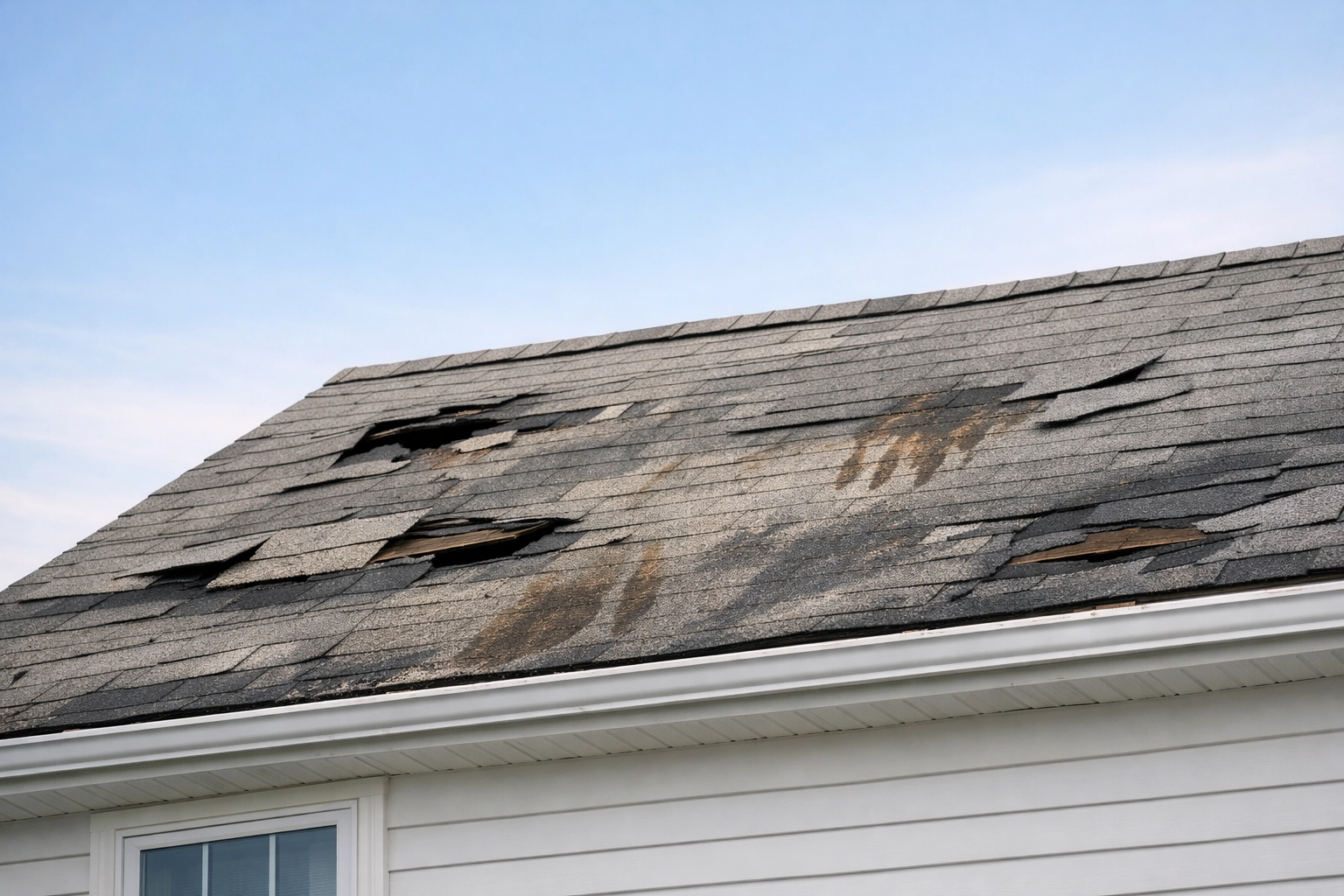
Here's what counts as poor maintenance in the eyes of insurers:
Leaking roofs or gutters that cause water damage over time
Cracked foundations that worsen and lead to structural issues
Old HVAC systems that haven't been serviced and eventually fail
Damaged siding or trim that allows water infiltration
Outdated electrical or plumbing that creates hazards
My advice? Keep a home maintenance log. Take photos when you complete repairs. Save receipts. If something major happens and you file a claim, having documentation that you've been a responsible homeowner can make all the difference.
2. Your "Hidden" Spare Key Under the Doormat
Let's talk about home security, or the lack of it. I know you probably think that fake rock with the key inside is genius. Your insurance company thinks it's negligent.
If someone breaks into your Pennsylvania home and you've left doors or windows unlocked, or you've made it ridiculously easy for thieves by hiding keys in obvious spots, your claim could be denied. Insurers expect you to take reasonable precautions to protect your property.
What does "reasonable security" actually mean? Here's the breakdown:
Lock your doors and windows when you leave, yes, even if you're just running to Wawa for five minutes
Don't hide keys in obvious places like under doormats, flower pots, or fake rocks
Install and use deadbolts on exterior doors
Keep garage doors closed and locked when not in use
Consider a security system and actually arm it when you're away
A break-in is stressful enough without having your claim denied because the adjuster determined you didn't secure your home properly. I've seen claims get complicated because homeowners admitted they "might have" left the back door unlocked.

The takeaway? Make security part of your daily routine. Your future self: and your insurance claim: will thank you.
3. That Month-Long Vacation You Didn't Tell Anyone About
Planning a winter escape to avoid Pennsylvania's frigid February? Good for you. But if you're gone for more than 30 consecutive days without notifying your insurance company, you might come home to more than just a pile of mail.
Extended vacancy is a major red flag for insurers. An empty home is more vulnerable to theft, vandalism, frozen pipes, and undetected problems. Many standard homeowners policies have vacancy clauses that can void coverage if you don't inform them about extended absences.
Here's what can go wrong in an empty Pennsylvania home:
Frozen pipes during our brutal winters can burst and cause catastrophic water damage
Undetected leaks from appliances or roofs can destroy floors and walls
Break-ins are more likely when it's obvious nobody's home
HVAC failures in extreme temperatures can lead to additional damage
Before you head south for the winter, call your insurance agent. Some insurers require specific steps like having someone check on the property regularly, adjusting the thermostat to prevent freezing, or installing monitoring systems.
I always recommend letting your insurance company know about extended trips. It's a quick conversation that could save you from a massive headache. Some insurers even offer temporary vacancy coverage or endorsements specifically for snowbirds.
4. That Awesome Kitchen Renovation You Posted on Instagram
Did you recently upgrade your kitchen? Add a deck? Install a pool? Finish your basement? That's fantastic: but did you tell your insurance company?
This one surprises people. You'd think making improvements to your home would be purely positive. But here's the reality: any structural changes, major renovations, or new features can affect your coverage needs and your home's value.
When you don't disclose these changes, several things can happen:
Your coverage limits might be too low to rebuild your home as it exists now
New features might not be covered at all under your existing policy
Your claim could be denied if the undisclosed renovation contributed to the damage
Things you absolutely must report to your insurer:
Structural renovations like room additions or removing walls
New pools or hot tubs (these come with liability concerns)
Trampolines or play structures (same liability issues)
High-value appliances or fixtures that exceed standard coverage
Home-based businesses that require commercial coverage
Solar panels or generators that increase your home's value
Pennsylvania has its fair share of DIY enthusiasts and home improvement projects. I respect that. But keeping your insurer in the loop protects you. When you report improvements, your agent can adjust your coverage to match your home's current value and ensure everything's properly protected.
Plus, many improvements can actually lower your premiums. New roofs, updated electrical systems, and security features often qualify for discounts.
5. Your "Slight" Exaggeration About Your Stuff
Let's have an honest conversation about documentation and valuation. When disaster strikes and you're filing a claim, the temptation to round up on what things cost is real. Don't do it.
Overvaluing belongings or misrepresenting what was damaged isn't just frowned upon: it's considered fraud. Insurance companies have sophisticated ways of verifying values, and if they catch inconsistencies, they won't just reduce your payout. They might deny the entire claim and cancel your policy.
I've seen Pennsylvania homeowners torpedo legitimate claims by:
Claiming items they never actually owned
Inflating purchase prices or current values significantly
Misrepresenting the age or condition of damaged items
Failing to provide proof of ownership for high-value items
Here's what you should do right now: today: to protect yourself:
Create a home inventory. Walk through your home and photograph or video everything. Include close-ups of serial numbers on electronics, jewelry, and valuables. Store this documentation in the cloud or off-site.
Keep receipts for major purchases. That new laptop, your furniture, your appliances: save the receipts and appraisals.
Get professional appraisals for valuable items. Jewelry, art, collectibles, and antiques should be professionally appraised and potentially scheduled on your policy separately.
Be honest about your home's features. If your home has older construction, unique materials, or special characteristics, disclose them accurately. Don't say you have a newer roof if it's actually 20 years old.
Insurance adjusters are professionals. They know what things cost, how old they likely are based on condition, and what's realistic versus what's inflated. Honesty isn't just the best policy: it's the only policy that protects you.
Getting the Right Coverage for Your Pennsylvania Home
Here's the bottom line: avoiding these five pitfalls comes down to being proactive, honest, and thorough about your home and your coverage.
That's where working with an independent insurance agency like IronClad Coverage makes a real difference. I don't work for one insurance company: I work for you. I can compare homeowners insurance pennsylvania options from multiple top-rated carriers to find coverage that actually fits your specific situation.
Need coverage that accommodates your home-based business? There's a policy for that. Want protection during extended vacations? We can arrange that. Just finished a major renovation? Let's make sure your coverage reflects your home's current value.
The Pennsylvania housing market is unique, and your insurance should reflect that. Whether you're in a historic Philadelphia row home, a suburban Pittsburgh property, or a rural farmhouse in Lancaster County, the right coverage exists: you just need someone who'll take the time to find it.
Don't wait until you're filing a claim to discover gaps in your coverage or problems with your home that could tank it. Take thirty minutes to review your policy, walk through your home with fresh eyes, and make sure everything's documented and disclosed.
I hope this guide helps you protect what matters most. Your home is likely your biggest investment: make sure your insurance actually protects it.
Safe living, and feel free to reach out if you have questions about your homeowners coverage!


Comments